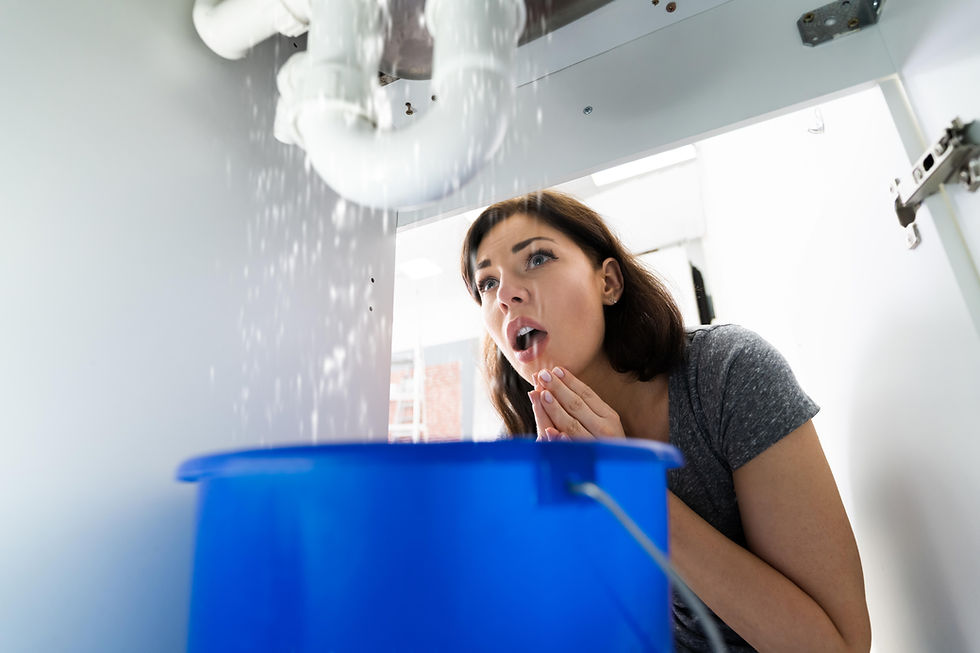
3 Common Pacifica Plumbing Emergencies and How to Avoid Them

It usually happens at the worst possible time.
You wake up early, head to the bathroom, and notice the toilet isn’t draining right. Or you’re in the middle of doing dishes when the sink suddenly backs up. Maybe it’s late at night and you hear water running somewhere it shouldn’t be.
Moments like these are when homeowners realize just how important a working plumbing system really is.
At Rosenberg Plumbing, we’ve been responding to Pacifica plumbing emergencies since 1959. Our family-owned business has spent decades helping homeowners across the Coastal Peninsula handle everything from sudden leaks to major system failures.
And if there’s one thing we’ve learned over the years, it’s this:
Most plumbing emergencies don’t come out of nowhere.They usually start small… and get worse when they’re ignored.
In this guide, we’ll walk through three of the most common plumbing emergencies we see here in Pacifica, why they happen, and what you can do to prevent them before they turn into a stressful situation.
Why Plumbing Emergencies Are Different in Pacifica
Before we dive into specific issues, it helps to understand why homes in Pacifica face unique plumbing challenges.
Living near the coast has its advantages, but it also affects plumbing systems in ways homeowners don’t always expect.
Here are a few factors we see regularly:
Coastal air with salt content that accelerates corrosion
Older homes with aging sewer and water lines
Tree roots seeking moisture and invading underground pipes
Moist soil conditions that affect pipe stability
Now, because of these conditions, certain common plumbing emergencies tend to show up more often here than in other areas.
Let’s take a closer look…
1. Sewer Backups Caused by Tree Roots

If there’s one issue we’ve seen more than almost any other in Pacifica, it’s sewer line backups caused by tree roots.
Might sound surprising at first? But it makes sense when you think about it.
Tree roots are constantly searching for water. Underground sewer lines provide a steady source of moisture, especially if there are small cracks or joints in the pipe.
Over time, roots grow into those openings and expand inside the pipe.
What starts as a small intrusion can turn into a major blockage.
→ Signs of a developing sewer issue
Homeowners often notice subtle warning signs before a full backup occurs:
drains slowing down across multiple fixtures
gurgling sounds from toilets or sinks
unpleasant odors coming from drains
water backing up in tubs or lower drains
If these signs are ignored, the blockage can eventually stop wastewater from flowing out of the home entirely. That’s when a true emergency happens.
→ How to prevent sewer backups
While tree roots can be persistent, there are ways to reduce the risk.
Some practical prevention steps include:
scheduling periodic sewer line inspections
removing trees planted too close to sewer lines
installing root barriers where possible
addressing slow drains early instead of waiting
Again, routine inspections can catch root intrusion before it becomes severe.
→ What to do during a sewer backup
If a backup happens, quick action is important.
Here’s what we usually recommend:
stop using all water fixtures immediately
avoid flushing toilets or running sinks
contact a professional plumber right away
At Rosenberg Plumbing, we respond to Pacifica emergency plumbing calls like these regularly, and early intervention can prevent damage inside the home.
2. Salt-Corroded Pipes and Unexpected Leaks
Living near the ocean comes with something many homeowners don’t think about: salt exposure. Then, over time, salt in the air can affect metal plumbing components, especially older pipes.
This is probably one of the most common causes of hidden leaks in coastal homes.
→ How corrosion develops
Salt accelerates the natural corrosion process in metal pipes. Even small amounts of exposure over time can weaken pipe walls.
Eventually, this leads to:
pinhole leaks
weakened joints
sudden pipe failures
The challenging part here is that these leaks often start small and go unnoticed.
→ Signs your pipes may be affected
Here are a few early warning signs:
unexplained water stains on walls or ceilings
a drop in water pressure
damp areas near pipes or fixtures
an increase in your water bill without a clear reason
And because these signs can be subtle, many homeowners don’t realize there’s a problem until a leak becomes visible.
→ How to prevent corrosion-related emergencies
Preventative steps can help extend the life of your plumbing system:
replacing aging pipes with corrosion-resistant materials
scheduling routine plumbing inspections
checking exposed pipes in garages or crawl spaces
addressing small leaks immediately
In many cases, early detection is what prevents a minor issue from turning into a major repair.
⚠️ Emergency steps for a pipe leak
If a pipe suddenly leaks or bursts, here’s what to do:
locate and shut off your home’s main water valve
turn off the electrical power near affected areas if necessary
contact a professional plumber immediately
Knowing where your main shutoff valve is located can make a huge difference in minimizing damage.
3. Water Heater Failures at the Worst Time
Water heaters rarely fail at convenient moments.
In fact, many homeowners first notice a problem when they suddenly have no hot water—often during colder mornings or late evenings.
In Pacifica homes, water heater issues can happen for a few common reasons:
sediment buildup from mineral-rich water
aging components
corrosion inside the tank
worn-out heating elements
→ Warning signs of water heater problems
Before a complete failure, water heaters often show signs that something isn’t right:
inconsistent water temperature
strange noises from the tank
rusty or discolored water
reduced hot water supply
These signs are clearly your system’s way of asking for attention.
→ How to prevent water heater emergencies
Regular maintenance goes a long way in preventing unexpected breakdowns.
A few key steps include:
flushing the tank periodically to remove sediment
checking the anode rod (which helps prevent corrosion)
monitoring the age of the unit
scheduling routine inspections
The anode rod is especially important. It’s designed to attract corrosive elements and protect the tank itself. Once it wears out, the tank becomes more vulnerable to rust.
→ What to do if your water heater fails
If your water heater stops working:
turn off the unit to prevent further damage
shut off the water supply to the heater if there’s a leak
contact a professional plumber for diagnosis and repair
At Rosenberg Plumbing, we’ve handled countless water heater emergencies across Pacifica, and quick service can often restore hot water faster than homeowners expect.
The Cost of Waiting Too Long
One of the biggest patterns we’ve noticed over the years is how often small plumbing issues turn into emergencies simply because they were delayed.
And it’s understandable. Life gets busy, and a minor problem doesn’t always feel urgent.
But here’s the reality:
a slow drain can turn into a sewer backup
a small leak can become significant water damage
a noisy water heater can fail completely
Addressing problems early almost always costs less—and causes less stress—than waiting until they escalate.
Rosenberg Plumbing’s Approach to Emergency Service

When plumbing emergencies happen, homeowners need fast, reliable help.
At Rosenberg Plumbing, we’ve built our reputation on being there when our community needs us most.
We provide rapid-response service throughout Pacifica and the Coastal Peninsula, helping homeowners handle urgent plumbing issues quickly and professionally.
Our goal is always the same:
respond promptly
diagnose the problem accurately
fix it the right way
Because in an emergency, clear communication and dependable service matter just as much as technical skill.
Rosenberg Plumbing: Your Local Plumbing Neighbors
Plumbing emergencies can feel overwhelming in the moment. But in many cases, they’re preventable with a little awareness and regular maintenance.
If something doesn’t feel right with your plumbing—or if you want to prevent problems before they start—we’re always just a call away!