


High Water Pressure in Daly City Homes Can Cause Silent Leaks That Damage Your Pipes Over Time
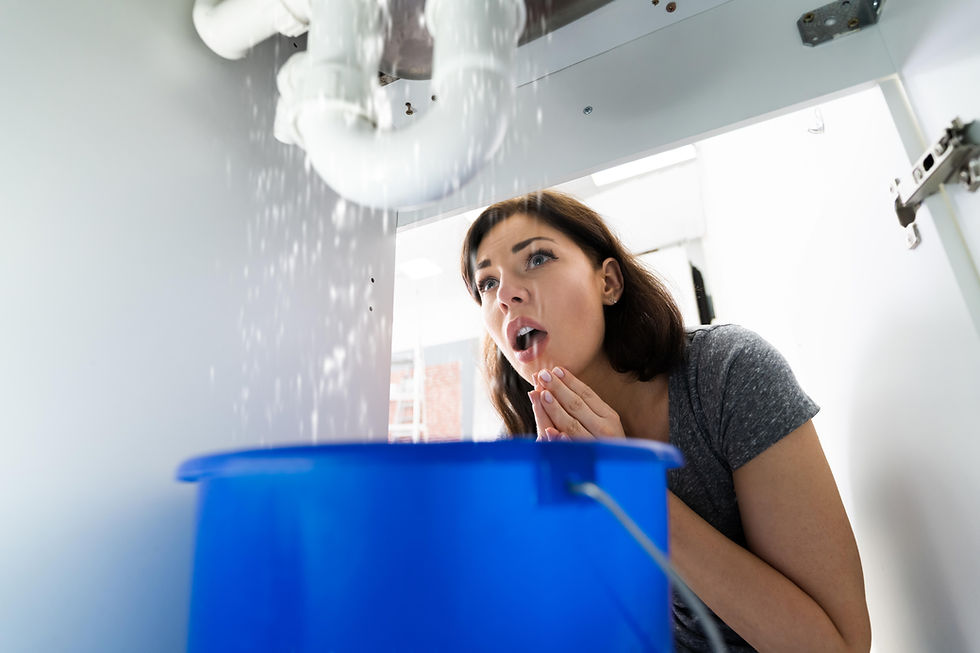
Helpful advice from your neighbors at Rosenberg Plumbing.
Most homeowners don't spend much time thinking about their water pressure. If the shower feels strong, the kitchen faucet fills a pot quickly, and the washing machine seems to be doing its job, everything must be fine… right? Not always.
In fact, one of the most overlooked plumbing problems we see isn't low water pressure—it's high water pressure.
While strong water flow might seem like a luxury, too much pressure can quietly put stress on your entire plumbing system day after day. The tricky part is that the damage often happens out of sight.
Small pipe joints begin to weaken. Appliance connections wear out faster. Tiny leaks develop behind walls where you can't see them. By the time homeowners notice something is wrong, the repair is often much larger than it needed to be.
Rosenberg Plumbing provides water pressure repair to the Peninsula, helping homeowners identify pressure problems before they lead to costly leaks, damaged fixtures, or premature appliance failure. We've been helping the homeowners throughout Pacifica, Daly City, and the Coastal Peninsula since 1959. Over the decades, we've seen firsthand how high water pressure in Daly City homes can slowly damage plumbing systems, especially in neighborhoods where elevation changes create naturally higher pressure.
The good news? This is one plumbing issue that's often easy to identify before it becomes expensive. Let's take a closer look at why high water pressure matters, what causes it, and how a simple pressure check today can help protect your home for years to come.
What Is Considered Safe Water Pressure?
Before talking about problems, it's helpful to know what "normal" looks like. For most residential plumbing systems, the ideal water pressure falls between 40 and 60 PSI (pounds per square inch).
This range provides enough pressure for comfortable showers, efficient appliances, and reliable water flow without placing unnecessary stress on pipes and fixtures.
Here's a simple guideline:
40–60 PSI: Healthy operating range
60–80 PSI: Still workable, but worth monitoring
Above 80 PSI: Generally considered too high and should be evaluated
Many homeowners are surprised to learn their pressure is significantly above this range because nothing feels "wrong."
In fact, high pressure often feels great—until the hidden damage begins.
Why High Water Pressure Is More Common in Daly City
One of the unique characteristics of Daly City and the Peninsula is the terrain. Anyone who's driven through the area knows the landscape isn't perfectly flat. There are hills, slopes, and changing elevations throughout many neighborhoods. These elevation differences can influence municipal water pressure.
Homes located at lower elevations often receive higher incoming pressure from the water supply system, while hillside neighborhoods may experience pressure fluctuations depending on location and infrastructure.
That's one reason we frequently inspect water pressure problems in Daly City during routine plumbing visits.
It's not necessarily because anything is broken. It's simply because geography can affect how water moves through the system.
Why High Water Pressure Isn't Always a Good Thing

Imagine filling a balloon. A little air is fine. Too much air doesn't make the balloon better—it makes it more likely to burst. Your home's plumbing works much the same way.
Every faucet, valve, appliance, and pipe connection is designed to handle a certain amount of pressure. When pressure consistently exceeds that range, every part of the system works harder than it should.
The extra force may not cause problems today or next month. But over several years? That's when homeowners often begin noticing unexpected plumbing issues.
Silent Leaks Often Start Small
One of the biggest concerns with high water pressure plumbing in Daly City is the way it creates slow, hidden leaks.
The constant force pushes against:
pipe joints
faucet seals
appliance hoses
shutoff valves
supply connections
Eventually, tiny openings can develop.
At first, they may release only a few drops of water each day.
Because these leaks often occur:
behind drywall
beneath flooring
inside cabinets
within crawl spaces
they can remain unnoticed for months.
By the time visible water stains appear, moisture may already have caused damage to wood, insulation, or flooring.
The Water Hammer Effect Explained
Another common issue related to high water pressure is something plumbers call water hammer. Despite the dramatic name, it's actually pretty easy to understand.
Imagine driving your car and suddenly slamming on the brakes. Everything inside the vehicle shifts forward.
Water behaves similarly. When flowing water suddenly stops—such as when a washing machine valve closes quickly—the moving water creates a pressure wave inside the pipes.
This produces the familiar banging, knocking, and thumping sounds many homeowners hear inside their walls.
With normal water pressure, these pressure waves are manageable. With excessive pressure, the force becomes much greater. And repeated water hammer can gradually loosen joints and stress pipe connections throughout the plumbing system.
High Water Pressure in Daly City: Your Appliances Feel the Pressure Too
High water pressure doesn't only affect pipes. Many household appliances depend on properly regulated water flow.
That includes:
dishwashers
washing machines
refrigerators with water dispensers
ice makers
water heaters
These appliances contain valves, hoses, seals, and internal components that experience additional wear under excessive pressure.
Think of it like constantly revving a car engine at maximum speed. It might keep running for a while—but components wear out much faster.
Replacing an appliance years earlier than expected can cost far more than correcting a water pressure issue.
Signs Your Home May Have High Water Pressure
Unlike a burst pipe, excessive pressure isn't always obvious. Still, there are several clues homeowners can watch for.
You may notice:
faucets splashing excessively
loud banging when water shuts off
dripping faucets after repairs
frequent plumbing leaks
appliance hoses wearing out sooner than expected
toilets that continue running unexpectedly
Of course, these symptoms don't automatically mean pressure is too high. But they do suggest it's worth checking.
A Simple Pressure Test You Can Do Yourself
The good news is that checking your home water pressure doesn't require complicated tools. You can even purchase a hose-bib pressure gauge at most hardware stores for around $10.
Here's how to use it:
Attach the gauge to an outdoor hose faucet.
Make sure no water is running inside the home.
Turn the faucet fully on.
Read the pressure on the gauge.
If the reading falls between 40 and 60 PSI, your system is likely operating normally. If it approaches or exceeds 80 PSI, it's a good idea to schedule a professional inspection.
That small investment in a pressure gauge can provide valuable peace of mind.
Water Pressure Regulator Daly City: How a Pressure-Reducing Valve Protects Your Home
One of the best defenses against high water pressure in Daly City homes is a pressure-reducing valve, sometimes called a pressure regulator. Its job is simple. It reduces incoming municipal water pressure before it enters your home's plumbing system.
Think of it as a traffic officer controlling vehicles entering a busy neighborhood.
Without it, traffic becomes chaotic. With it, everything flows smoothly.
Pressure-reducing valves help:
protect pipe joints
reduce appliance wear
minimize water hammer
extend plumbing system lifespan
lower the risk of sudden leaks
They're one of the most valuable yet overlooked plumbing components in many homes.
When Should a Pressure Regulator Be Replaced?
Pressure regulators don't last forever. Like any mechanical device, they eventually wear out.
Signs yours may need attention include:
pressure readings that fluctuate dramatically
consistently high pressure
sudden changes in shower pressure
recurring plumbing leaks
unusual banging noises
And remember: Replacing a worn regulator is often much less expensive than repairing the water damage excessive pressure can cause.
Why DIY Adjustments Can Create Bigger Problems
Some homeowners discover they have high water pressure and immediately search online for instructions on adjusting the regulator. While adjustments are technically possible, they're rarely recommended without proper experience.
Here's why. Changing pressure affects your entire plumbing system.
Incorrect adjustments can:
reduce water flow too much
create uneven pressure
damage plumbing fixtures
affect appliance performance
There's another consideration many homeowners don't think about.
If improper plumbing modifications contribute to water damage, they could complicate future insurance claims. So, when it comes to regulating your home's water pressure, professional adjustments provide peace of mind.
Why Early Detection Saves Money
One thing we've learned after serving Peninsula homeowners for more than sixty years is this: Small plumbing issues almost always cost less to fix than large ones.
A simple pressure check today may prevent:
hidden leaks
drywall repairs
flooring replacement
appliance damage
burst pipes
That's why we encourage homeowners not to wait until something breaks. Preventive maintenance is almost always the better investment.
Water Pressure Repair in Daly City: How Rosenberg Plumbing Helps Protect Daly City Homes
At Rosenberg Plumbing, we've spent generations helping homeowners protect their plumbing systems, not just repair them after problems occur.
When we inspect water pressure problems in Daly City, we don't stop at reading the pressure gauge. We evaluate the entire system.
That may include:
checking the pressure regulator
inspecting visible plumbing connections
identifying early signs of leaks
evaluating appliance connections
recommending practical long-term solutions
Our goal is simple: Help homeowners avoid expensive surprises while extending the life of their plumbing system.

A Final Word From Your Local Plumbing Neighbors
Strong water pressure might seem like a good thing, but too much of it can quietly shorten the life of your home's plumbing. The challenge is that most of the damage happens where you can't see it.
If you've never checked your home's water pressure—or you've noticed unusual plumbing behavior lately—now is a great time to have it evaluated. A quick pressure check is one of the simplest, most affordable ways to protect your pipes, appliances, and home from costly water damage in the future.
Sometimes the smartest plumbing repair is the one you never have to make because you caught the problem early.


