


A Simple Guide to Identifying and Stopping Annoying Toilet Leaks

If you’ve ever walked past your bathroom and heard the toilet hiss, gurgle, or run when nobody touched it, you’re definitely not alone.
Around here in Pacifica and the Coastal Peninsula, we’ve lost count of how many homes we’ve walked into where the homeowner says something like:
“It’s not a big deal… but it’s been doing that for weeks, and I keep meaning to check it.”
At Rosenberg Plumbing, we get it. Toilets aren’t exactly the most exciting thing to think about, and as long as they’re flushing, most folks assume everything’s fine. But those little sounds? It can be your toilet’s way of saying, “Hey, something’s not quite right.”
And when it comes to how to fix a toilet leak, the sooner you know what’s going on, the easier—and cheaper—it is to solve.
Why Toilet Leaks Matter More Than Most People Think

A leaky toilet might not feel urgent. Not dramatic like a burst pipe or a flooded kitchen. But the water loss can be surprisingly big.
A silent leak can waste hundreds of gallons of water a day. And a slow-running toilet can also add up to hundreds—sometimes thousands—of extra gallons over a month. We’ve seen water bills jump almost overnight because of a tiny rubber part inside the tank wearing out.
And remember: Even minor leaks can eventually lead to bigger issues like floor damage or mold around the base.
So even though it’s tempting to shrug it off, finding and fixing a toilet leak is one of the simplest ways homeowners here in the Bay Area can avoid unnecessary water waste and unexpected bills.
The Most Common Types of Toilet Leaks (And What They Mean)

Not all toilet leaks look—or sound—the same. And if you want to understand how to fix a toilet leak? Start by identifying which kind you’re dealing with.
1. The Silent Leak (You Can’t Hear It… But Your Water Bill Knows About It)
Probably the sneakiest leak of them all.
The toilet looks completely fine. No sound, no visible water. Everything seems normal.
The tank just slowly loses water into the bowl. And when it drops low enough, the fill valve kicks on to refill it—often so quietly you barely notice.
This is usually caused by:
A worn-out flapper
Mineral buildup on the flapper seal
A chain that’s too tight or tangled
A small crack somewhere inside the tank
These leaks can go on for weeks without a clear sign… until the bill arrives or your teenager asks, “Why does the toilet keep making that shhh noise?”
2. The Phantom Flush
This one can be a little startling if you happen to be nearby. The toilet sounds like it’s flushing—or at least refilling—on its own, even though nobody touched it.
And it’s not a ghost. (We promise.) It’s a tank leak.
The “phantom flush” happens when water seeps out of the tank into the bowl through a faulty flapper or a corroded flush valve. Then, when the tank level drops low enough, it refills itself. That refill is what you hear.
The louder the refill, the bigger the leak.
3. The Constantly Running Toilet
You know this one. The toilet just keeps running and running and running. And sometimes it stops temporarily but starts back up the next time the tank refills.
A constantly running toilet usually means:
The flapper won’t seal
The float is set too high
The refill tube is positioned incorrectly
The fill valve is wearing out
It’s annoying, yes, and it wastes a surprising amount of water! But the good news is that a running toilet is usually pretty easy to diagnose—and often easy to repair.
4. The Leak at the Base (The Most Serious One to Watch For)
If you ever notice water pooling around the bottom of your toilet, that’s a bigger red flag. This also might mean the wax ring—the soft, hidden seal between the toilet and the drain pipe—has worn out or shifted.
A base leak isn’t just a plumbing issue. It can lead to:
Rotting floors
Mold and mildew
Damaged subflooring
Unpleasant odors
So if you spot a base leak, turn off the water and give a plumber a call. This is one of those situations where trying to fix it yourself can cause more harm than good.
The Easiest Way to Identify a Hidden Toilet Leak: The Food Coloring Test
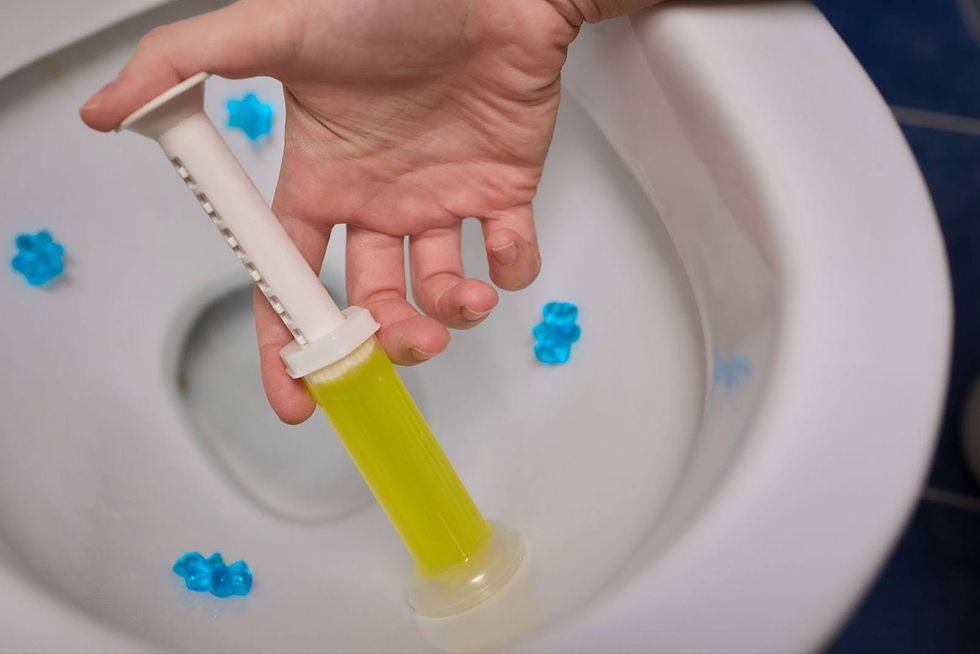
Never heard of this before?
It’s one of the simplest and most accurate ways to confirm a silent leak—and it uses something most people already have in their kitchen.
Here’s how to do it:
Lift the lid off the toilet tank.
Drop in a few drops of food coloring. (Blue works best so you can see it easily.)
Wait about 10–15 minutes.
Check the bowl.
Here, if you see the colored water in the toilet bowl—even just a faint tint—you’ve got a leak. And that means water is seeping from the tank into the bowl when it shouldn’t be.
If the bowl water stays clear, your tank is sealed properly.
That simple.
We’ve also used this test in countless homes around Pacifica, Sharp Park, Fairmont, and the surrounding neighborhoods. It’s one of those little tricks that saves a lot of guesswork.
Why Toilet Leaks Happen: The Most Common Causes

Toilets don’t leak just for fun. Something usually wears out, shifts, or becomes misaligned over time. Most issues are pretty small and straightforward.
Here’s what usually causes the trouble:
A Worn or Warped Flapper
This is by far the most common cause of silent leaks and phantom flushes. The flapper is that rubber piece at the bottom of the tank that lifts when you flush.
Over time, it can:
Harden
Warp
Crack
Accumulate mineral buildup
And if it can’t form a tight seal? Water sneaks past it!
A Faulty Fill Valve
The fill valve controls how much water goes into the tank after each flush. If it wears out (or if sediment builds up), it can cause the tank to keep refilling—even when it shouldn’t.
Your toilet runs non-stop or fills very slowly? This could be the culprit.
A Misaligned or Too-Short Chain
If the chain that lifts the flapper is too tight or tangled, the flapper won’t lay flat. That creates a slow leak.
This one is a quick fix, but it’s surprisingly common.
A Failing Wax Ring
A leak at the base almost always means the wax ring seal has failed. This is also a part that most people never see or think about, but when it gives out, you’ll definitely know something’s wrong.
How to Fix a Toilet Leak (And When to Call a Plumber)
We always want homeowners to feel empowered—and safe—when trying basic plumbing fixes. And many toilet leaks fall into the category of things you can try to repair yourself.
DIY Fixes That Are Safe to Try
Here are simple fixes that most homeowners can handle without special tools:
1. Replacing the Flapper: You can actually buy a universal flapper at any hardware store. And the whole process usually takes just a few minutes.
2. Adjusting the Chain: If the chain is too tight or tangled, loosen it so the flapper can sit flat.
3. Checking the Float Height: If the tank water level is too high, gently adjust the float so the water shuts off sooner.
4. Tightening Loose Bolts: If you hear water trickling between the tank and the bowl, the tank bolts may need a slight tightening.
These simple steps can solve a lot of minor issues.
⚠️ When It’s Time to Call a Professional

Some leaks are better left to the folks with the right tools and experience.
Call a plumber when:
There’s water leaking around the toilet base
You’ve tried replacing the flapper, but the leak keeps coming back
The fill valve needs replacement
The tank or bowl has a crack
The toilet wobbles or shifts when you sit on it
The leak is causing water damage on the floor
These repairs often require pulling the toilet, diagnosing hidden damage, or even replacing system components that need a careful touch.
And this is exactly the kind of work our team at Rosenberg Plumbing handles every single day.
How Rosenberg Plumbing Can Help You Stop Toilet Leaks for Good
Since 1959, we've helped families up and down the Coast keep their plumbing systems running smoothly. Toilet leak repairs are one of the most common—and most satisfying—services we provide.
Here’s what you can count on when you call us:
✔️ Straightforward explanations. We’ll tell you what’s happening in plain language.
✔️ Honest recommendations. If it’s a simple fix, we’ll say so.
✔️ Respect for your home. We treat your bathroom like we’d treat our own.
✔️ Quality parts and repairs. We use components built to last, not just short-term patches.
✔️ Local experience. We’ve worked in older Pacifica homes, newer construction, and everything in between.
Our goal here is always the same: give you peace of mind, save you water, and protect your home from avoidable damage.
Rosenberg Plumbing, Your Local Plumbers

If you’re dealing with a toilet that’s running, leaking, or just acting “off,” give us a call.
We’re here seven days a week, and we’re always happy to take a look, offer honest advice, and get everything back to working the way it should.
Because at the end of the day, we’re not just fixing toilets—we’re helping our neighbors feel comfortable in their homes. And that’s what we’ve been proud to do since 1959.


