


A Handy Guide to Choosing the Right Pipe Materials for Coastal Homes
- hotwaterman65
- Mar 31
- 5 min read

Living near the coast has a lot going for it.
Fresh air. Cooler summers. Ocean views that never get old.
But if you own a home in Pacifica or anywhere along the Coastal Peninsula, there’s one thing the ocean doesn’t always play nicely with—your plumbing.
We’ve lost count of how many times a homeowner has said something like,“Why do my pipes keep having issues? The house isn’t that old.”
If that sounds familiar, you’re not alone.
Coastal homes face unique plumbing challenges, and choosing the right pipe materials for coastal homes is one of the most important decisions you can make—especially if you’re planning a repipe, renovation, or long-term upgrade.
At Rosenberg Plumbing, we’ve seen firsthand which materials hold up in salty air and which ones struggle. So, this guide is here to help you understand your options clearly, without technical overload or sales pressure. Just honest advice from people who know these homes inside and out.
Why Coastal Homes Need Special Plumbing Consideration

If you live inland, your pipes mostly deal with water pressure and time. But coastal homes deal with something extra: salt.
Salt in the air accelerates corrosion. Moisture hangs around longer. Metal components age faster. And if the wrong pipe material is used, small problems can show up much sooner than expected.
In Pacifica, especially, we see:
Increased corrosion in metal pipes
Pinhole leaks developing earlier
Fittings breaking down faster
Older materials failing sooner than homeowners expect
Again, that doesn’t mean coastal homes are a problem—it just means they need smarter material choices.
Understanding the Most Common Pipe Materials for Coastal Homes
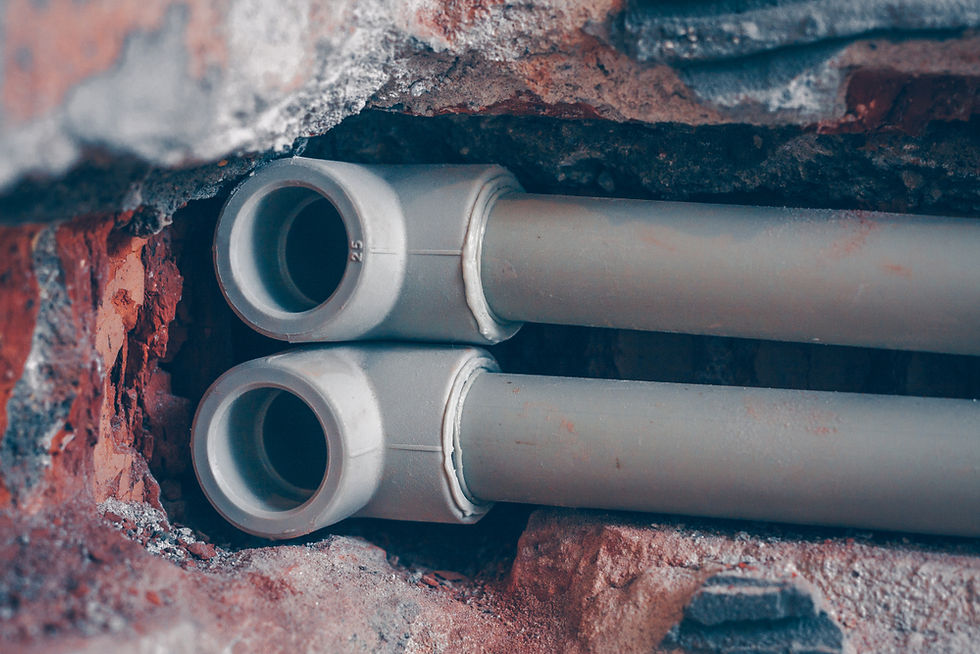
Let’s walk through the most commonly used pipe materials for coastal homes, along with their strengths and weaknesses in our local environment.
→ Copper Pipes: The Longtime Favorite (With Caveats)
Copper has been used in plumbing for decades, and for good reason. Durable, heat-resistant, and time-tested.
Pros of Copper Pipes
Long lifespan when conditions are right
Resistant to bacteria
Handles high temperatures well
Accepted by local building codes
Familiar to most plumbers
Cons of Copper in Coastal Areas
Vulnerable to corrosion in salty air
Can develop pinhole leaks over time
More expensive than other materials
Susceptible to water chemistry issues
In Pacifica and nearby coastal towns, we often see copper pipes that look fine on the outside but actually have thinning walls on the inside due to corrosion. That’s when leaks start appearing unexpectedly.
When copper still makes sense
Copper can still be one of the best plumbing pipes for coastal areas if:
The home has proper grounding
Water chemistry is balanced
Protective measures are used
Installation is done correctly
But it’s not always the best choice for every home anymore.
→ PEX Pipes: Flexible, Modern, and Coastal-Friendly
PEX has become increasingly popular—and for coastal homes, there’s a good reason why.
It's a flexible plastic tubing that doesn’t corrode as metal does. That alone makes it very attractive for homes near the ocean.
Pros of PEX for Coastal Homes
Highly resistant to corrosion
Flexible, which reduces fittings and joints
Less likely to burst from pressure changes
Quieter than metal pipes
Faster installation
Typically more cost-effective
Cons of PEX
Must be protected from UV exposure
Not ideal for outdoor use unless properly shielded
Requires skilled installation to avoid future issues
In many repiping projects, we recommend PEX as one of the best pipe materials for coastal homes, especially when longevity and corrosion resistance are top priorities.
PEX has actually proven to perform exceptionally well in salty, humid environments.
→ PVC and CPVC: Good for Some Uses, Not All
PVC and CPVC are plastic pipes most commonly used for drainage, venting, and sometimes cold water supply.
Pros
Corrosion-resistant
Affordable
Lightweight
Easy to work with
Approved for certain applications under local codes
Cons
Not suitable for hot water (PVC)
Can become brittle over time
Not ideal for all repiping projects
Less flexible than PEX
PVC shines in both drain and sewer applications, especially underground. CPVC can also be used for hot water in some cases, but in coastal homes, we often prefer other options for long-term reliability.
How Local Building Codes Affect Pipe Material Choices

One thing many homeowners don’t realize is that local building codes play a big role in determining which materials can be used.
In the Bay Area and along the Peninsula:
Certain materials are approved for specific uses only
Installation methods must meet strict standards
Permits are often required for repiping projects
Inspections ensure safety and long-term reliability
This is where professional guidance really matters. Choosing the right pipe materials for coastal homes isn’t just about the material—it’s about installing it in a way that meets code and performs well over time.
We stay up to date with local regulations, so homeowners don’t have to worry about compliance or future issues during inspections or home sales.
What Homeowners Should Watch For Before Choosing Pipe Materials
If you’re considering a repipe or upgrade, here are a few things to think about:
How old is the existing plumbing?
Are leaks becoming more frequent?
Is the home exposed to heavy coastal moisture?
Are pipes located in hard-to-access areas?
Are you planning to stay in the home long-term?
There’s no single answer that fits every home. The right pipe materials for coastal homes depend on your specific situation.
Why Professional Advice Makes All the Difference

Choosing pipe materials isn’t something you do often—and when it’s done right, you shouldn’t have to think about it again for decades.
A professional plumber can:
Assess corrosion risks
Evaluate existing pipe condition
Recommend materials that meet local codes
Balance cost with longevity
Design a system that fits your home’s layout
We don’t believe in one-size-fits-all solutions. What works for a home in Burlingame might not be ideal for a home right on the Pacifica coast.
And that local knowledge is what protects your investment.
A Simple Summary: Best Pipe Materials for Coastal Homes
If you want the quick version:
PEX → Excellent corrosion resistance, flexible, ideal for many coastal homes
Copper → Durable but requires careful consideration near the coast
PVC/CPVC → Great for drains and specific uses, limited for full repipes
The best choice depends on your home, your goals, and the environment around you.
A Final Word From Your Local Plumbing Neighbors
Coastal living is something special. Your plumbing should be built to handle it—not fight against it.
So, if you’re thinking about upgrading your plumbing, planning a remodel, or just want honest advice about the best pipe materials for coastal homes, we’re here to help.
We’re proud to serve this community seven days a week—just like we have since 1959.
Because good plumbing isn’t just about what’s inside the walls.It’s about protecting the home you love.


