


5 Silent Signs Your Home’s Plumbing Needs Immediate Attention
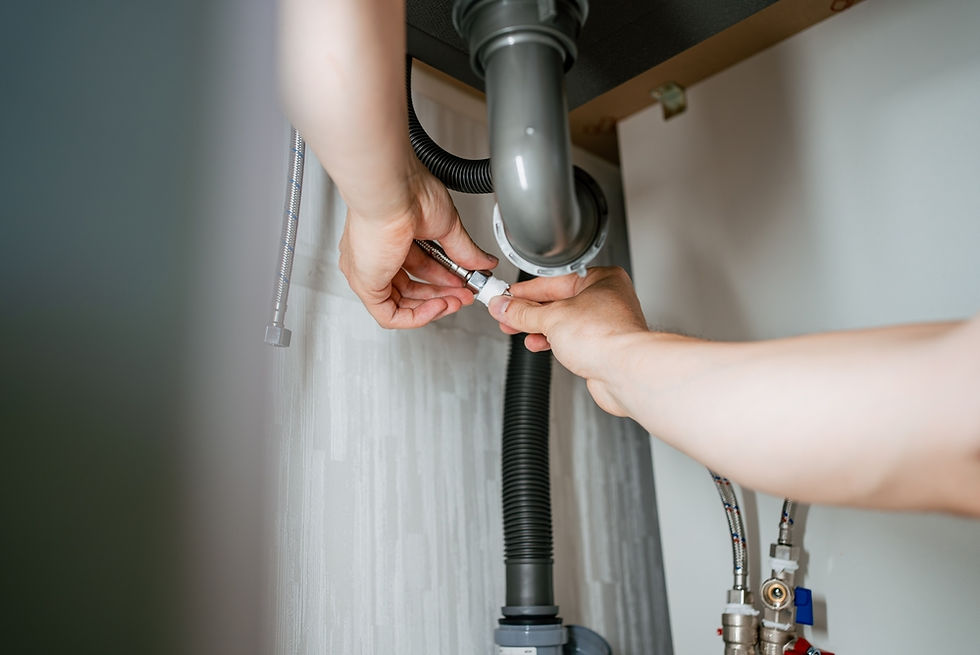
Most plumbing problems don’t start with a flood. They start quietly.
A drain that’s a little slower than it used to be.A faint water stain you keep meaning to look at.A room that always feels damp, even when the windows are open.
Nothing dramatic. Nothing urgent. Just small things that are easy to ignore when life gets busy.
But after more than 60 years of working inside homes across Pacifica and the Coastal Peninsula, we at Rosenberg Plumbing can tell you this with confidence: the most expensive plumbing repairs usually start as silent ones.
By the time water is pouring onto the floor, the damage has already been happening for weeks—or even months—behind the scenes.
Today, we want to walk you through five subtle signs that your plumbing needs repair and explain why paying attention early can save you stress, time, and a significant amount of money.
No scare tactics. No technical overload. Just practical advice from your local plumbing family that’s seen it all.
Why Silent Plumbing Problems Are the Most Dangerous

When people think about plumbing repair, they usually imagine something obvious. A burst pipe, a flooded bathroom, or a backed-up sewer.
But the truth is? Hidden plumbing problems are often more destructive because they go unnoticed.
Water is persistent. It doesn’t need much space to cause damage. A slow leak can quietly rot wood, weaken foundations, invite mold, and drive up water bills long before anyone realizes what’s happening.
Spotting the early warning signs gives you the opportunity to address the issue before it escalates into an emergency.
Let’s talk about what to watch for.
1. Slow Drains That Keep Coming Back
A slow drain here and there doesn’t always mean trouble. And sometimes it’s just hair, soap buildup, or kitchen grease.
But when slow drains keep returning—especially in multiple fixtures—it’s one of the most common signs your plumbing needs repair.
What this usually means:
Buildup deep in the drain line
A developing blockage in the main sewer line
Improper pipe slope in older homes
Early signs of tree root intrusion
Here’s the key detail:If you’ve cleared a drain and it slows down again within weeks, the problem likely isn’t at the surface.
A simple DIY check:
Run water in one sink and watch another fixture nearby.Then, if the toilet bubbles or the tub gurgles, that’s a sign of deeper drainage issues.
Why ignoring it gets expensive:
Slow drains often lead to full blockages. And full blockages can turn into backups—the kind that bring wastewater into places it shouldn’t be.
And that’s when a small plumbing repair becomes a big one.
2. Water Stains on Walls, Ceilings, or Floors
Water stains are easy to dismiss, especially if they’re dry or faint. But they’re one of the clearest plumbing warning signs we see.
And that discoloration didn’t get there on its own.
Common places we see water stains:
Ceiling corners under bathrooms
Walls behind showers or sinks
Baseboards near kitchens or laundry rooms
Flooring that looks slightly warped or darkened
What it usually points to:
A slow pipe leak behind the wall
A failing shower valve
A leaking drain line
A compromised connection under the floor
Again, water doesn’t stain unless it’s been there long enough to soak in. By the time you see marks, the leak has likely been active for a while.
Why this matters:
Hidden leaks can damage framing, drywall, insulation, and flooring — all before you ever notice active dripping.
Early leak detection can prevent structural repairs that cost far more than the plumbing fix itself.
3. Unexplained Humidity or Musty Smells
If a room always feels damp, sticky, or smells musty—even when everything looks dry—trust your instincts.
Homes shouldn’t smell like moisture.
Subtle signs homeowners notice:
A persistent “earthy” or musty odor
Rooms that feel humid compared to the rest of the house
Cabinets under sinks that never fully dry
Bathrooms that fog up unusually fast
What’s often happening:
A slow leak inside a wall or under the floor
Condensation from damaged pipes
A hidden slab leak
Sewer gases escaping from compromised drains
Moisture loves dark, enclosed spaces—the exact places plumbing runs.
Why this is a serious warning sign:
Unaddressed moisture leads to mold growth, wood rot, and indoor air quality issues. And mold doesn’t need standing water to thrive—just consistent dampness.
If something smells “off,” it usually is.
4. Your Water Bill Is Creeping Up (Without a Clear Reason)
One of the most overlooked signs of plumbing issues in your home shows up in the mailbox.
Say, if your water bill keeps rising and nothing in your routine has changed, there’s a good chance water is escaping somewhere you can’t see.
Common hidden causes:
A leaking toilet flapper
A slow slab leak
A cracked underground pipe
A drip inside a wall
An irrigation line tied into household plumbing
A simple DIY check you can do tonight:
Turn off all water inside and outside your home
Locate your water meter
Watch the meter for 10–15 minutes
If the dial moves while no water is being used, you’ve got a hidden leak there.
Why waiting is risky:
Even small leaks waste thousands of gallons over time. And the longer a leak goes undetected, the more damage it can cause beneath floors and foundations.
One of the moments when calling a plumber early can save you a lot later.
5. Cracks in Floors, Warm Spots, or the Sound of Running Water
This last sign is subtle, but important—especially in homes with slab foundations, which are common throughout the Peninsula.
Red flags to watch for:
Cracks forming in tile or flooring
Warm areas on the floor where no heat source exists
The sound of running water when nothing is on
Reduced water pressure without explanation
These can all point to a slab leak, which is one of the most serious hidden plumbing problems a home can face.
Why slab leaks require immediate attention:
They waste a significant amount of water
They can undermine your foundation
They cause hidden structural damage
They’re not DIY-friendly
Slab leaks don’t fix themselves—and the longer they go unchecked, the more invasive the repair can become.
This is where professional leak detection technology really matters.
When DIY Checks Are Helpful — And When to Call a Plumber
We always believe in empowering homeowners with knowledge. Some early checks are perfectly safe to try on your own.
DIY checks that make sense:
Monitoring your water meter
Inspecting visible pipes under sinks
Checking for damp cabinets or flooring
Listening for running water sounds
Watching for recurring drain issues
But there’s a line where DIY stops being helpful and starts becoming risky.

⚠️ Call a professional when:
Leaks are behind walls or under floors
Multiple fixtures are affected
You suspect a slab leak or sewer issue
Water damage is visible
You’re unsure where the problem is coming from
Remember, guessing can lead to unnecessary damage. Accurate diagnosis saves time, money, and stress.
How Rosenberg Plumbing Finds Hidden Problems Without Guesswork
One of the biggest advantages of working with an experienced local plumbing company is access to the right tools—and knowing how to use them.
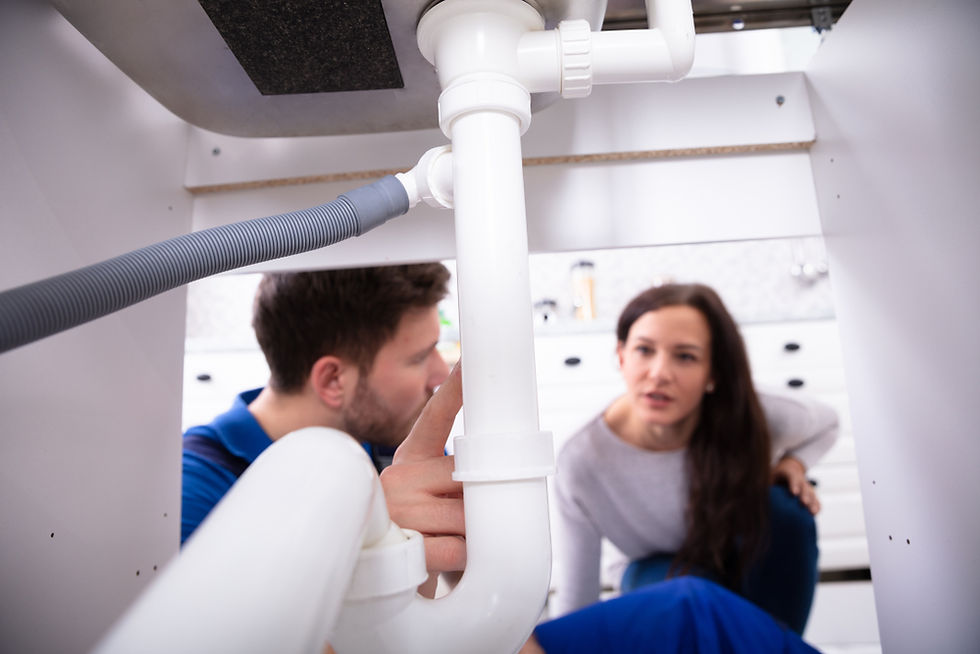
We use modern leak detection technology to pinpoint issues without tearing into your home unnecessarily.
That includes:
Acoustic leak detection
Pressure testing
Camera inspections
Moisture-sensing equipment
These tools allow us to find the source of a problem precisely, so repairs are targeted — not destructive. Especially important in older Peninsula homes where preserving walls and flooring matters just as much as fixing the leak.
Why Ignoring These Signs Almost Always Costs More
We’ve never had a customer say, “I wish I’d waited longer to fix that leak.”
What we do hear often is:
“I didn’t think it was serious.”
“I thought it would go away.”
“I wish I’d called sooner.”
Small plumbing repairs are almost always less expensive than emergency fixes.
Early action protects your home, your budget, and your peace of mind.
A Final Word From Your Local Plumbing Neighbors
Your home has a way of telling you when something isn’t right. You just have to know what to listen for.
Slow drains. Water stains. Musty smells. Rising bills. Strange sounds.These are all quiet ways your plumbing asks for attention.
Here at Rosenberg Plumbing, we’ve been helping our neighbors spot and solve these issues since 1959. From the smallest repair to the most complex leak detection, our goal is always the same: fix the problem properly and treat your home with care.
So, if you’ve noticed any of these signs—or if something just doesn’t feel right—don’t hesitate to reach out.
We’re here seven days a week, ready to help, answer questions, and keep your home running the way it should.
Because good plumbing isn’t just about pipes.It’s about protecting the place you call home.


